Before magnets, charging a phone was a small daily ritual of frustration. You fumbled for the cable in the dark, missed the port, flipped it, missed again, and finally pushed it home — only to rip it out of the wall when you grabbed the phone by mistake.
MagSafe killed all of that. And honestly, it changed more than charging.
The snap is the interface
The best technology disappears. Nobody reads the manual for a light switch. Magnetic attachment works the same way: you bring the phone close, feel the pull, hear the click, and you're done. No alignment, no ports, no thinking.
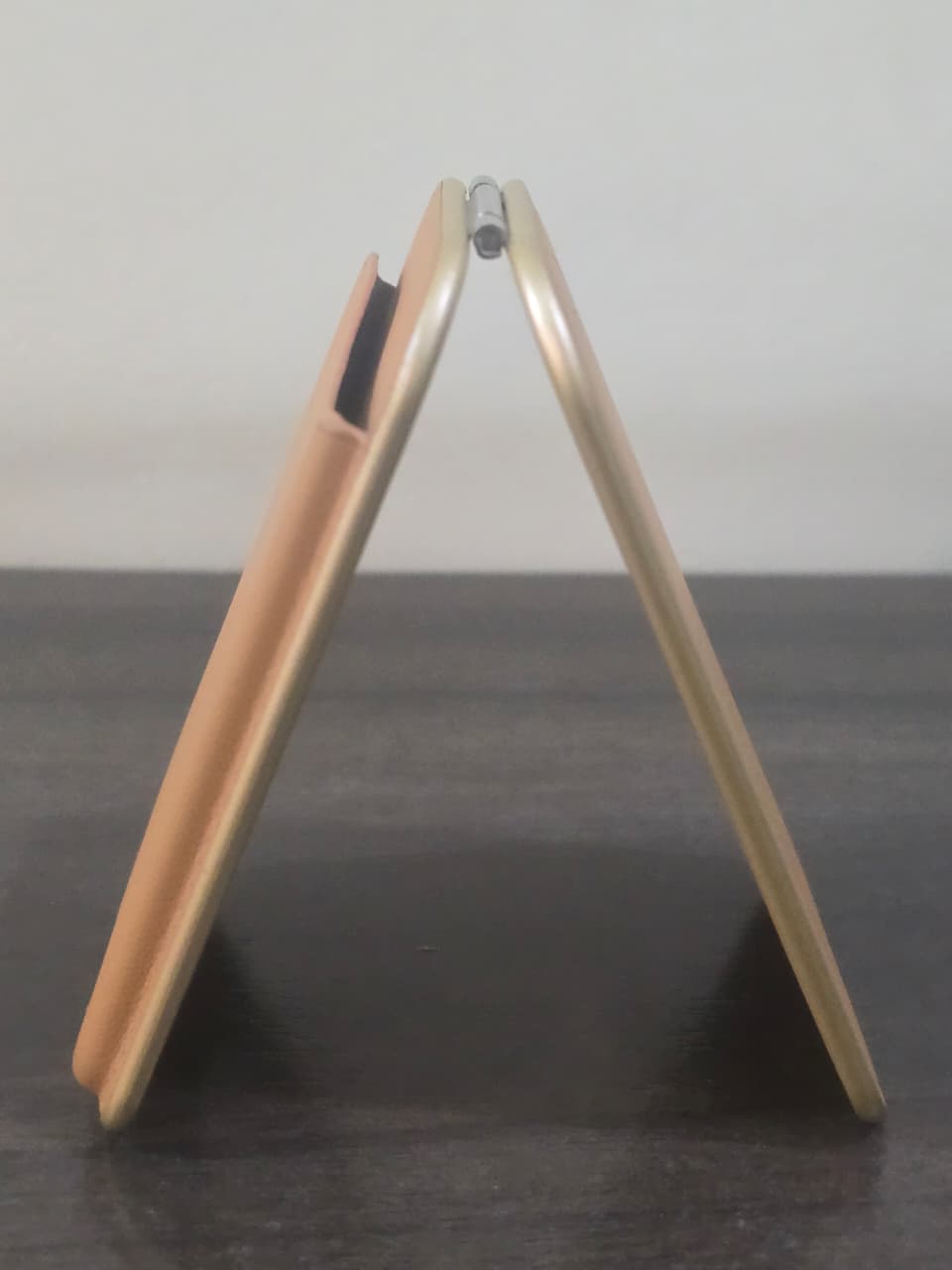
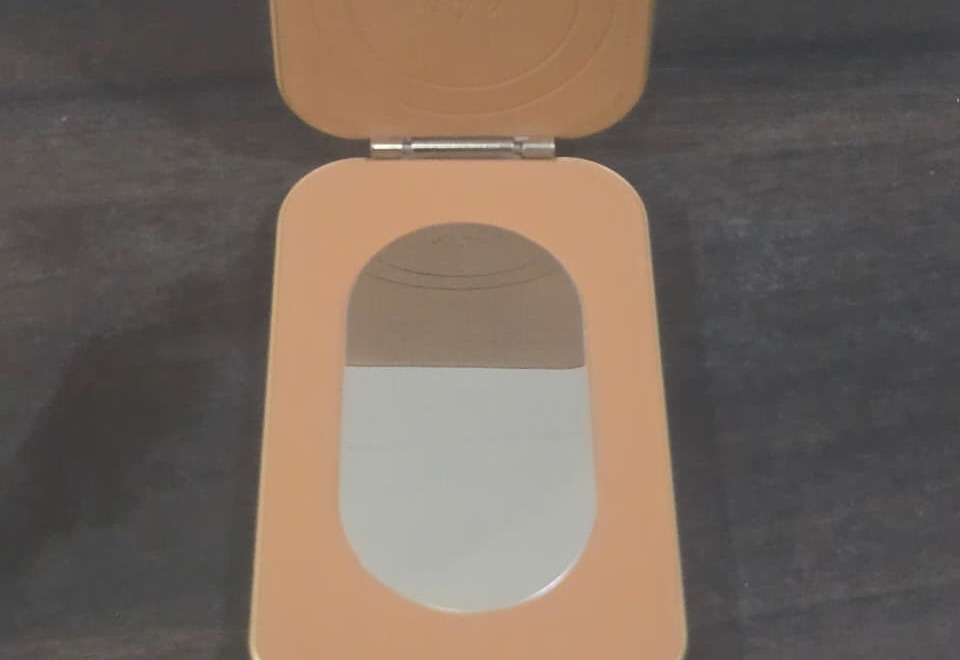
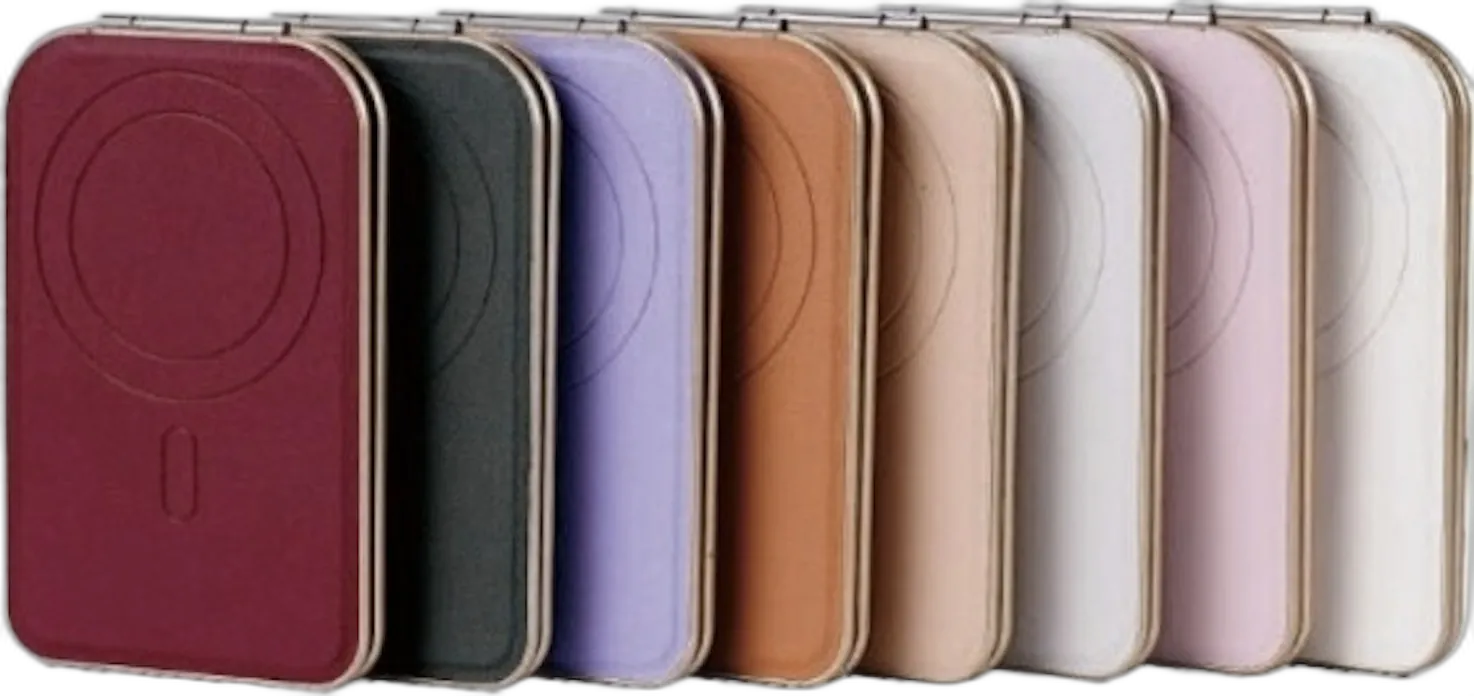
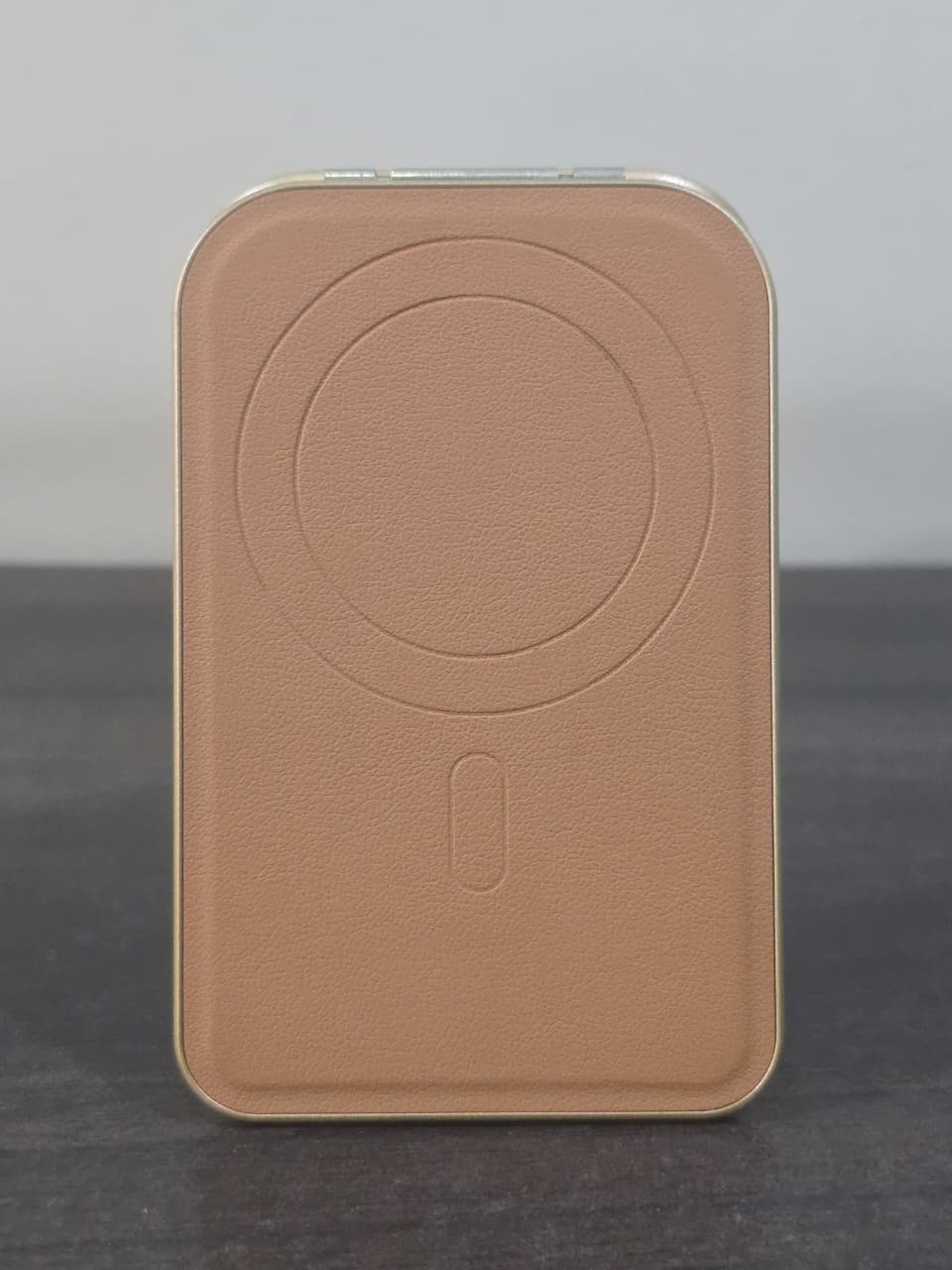
That's why we built our card wallet around it. 3000-gauss N52 magnets grab the back of your phone and hold — no adhesive, no case drama. Locks in a second, peels off just as clean.
What sixteen magnets actually buy you
Apple's MagSafe ring uses an array of magnets — ours mirrors the geometry — and the numbers matter:
- Alignment every time. Coils only charge efficiently when they line up. Magnets do the lining up.
- Retention under load. A mag wallet has to survive a pocket, a bag and a bump. Hold force is the whole game.
- Accessories that stack. Kickstands, mounts, chargers — all speaking the same magnetic language.
The ripple effect
Once attachment is magnetic, everything around the phone becomes modular. Cases snap. Chargers snap. Wallets snap. You stop buying one thing that does everything and start buying small objects that do one thing perfectly.
That's the thesis of The 101. Two objects. Zero compromise. Magnets made it possible.
Where it goes next
Car mounts that hold without clamps. Desk stands with no arms. Charging that happens the moment you sit down. The plug didn't die quietly — it died with a click.
Sixteen magnets, zero alignment anxiety. Welcome to the snap era.